



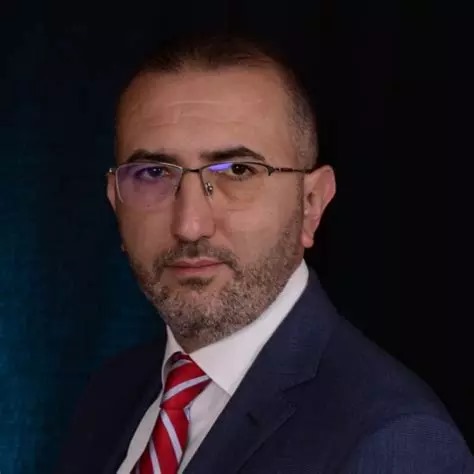
Nizar Derdabi
Founding Member

Ismail Palamino
Founding Member

Ali Moutaïb
President

Thomas Dournon
Founding Member

Amine Ater
Founding Member
GGSF Policy Brief N°10 on Morocco maritime strategy: Tanger Med, Nador West Med and Dakhla Atlantique, the Royal Atlantic Initiative, a diversifying blue economy, undersea cables and the emerging seabed frontier. Read the key takeaways, then download the full brief.
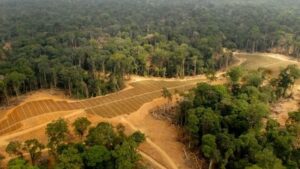
The main constraint on agricultural investment in Africa is not a lack of capital but the quality and availability of data needed to calibrate financial instruments. Inconsistent, outdated or poorly integrated agricultural data makes it difficult to assess risk and scale successful interventions beyond pilot projects. The 50x2030 initiative addresses this gap across 28 countries…
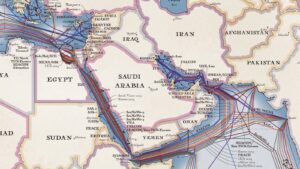
La proposition iranienne de taxer le passage des flux numériques sous le détroit d’Ormuz révèle le rôle stratégique croissant des infrastructures physiques d’Internet. Les câbles sous-marins deviennent des leviers de souveraineté et de puissance, tandis que les chokepoints maritimes peuvent transformer la géographie en instrument de pression. L’épisode illustre également la montée de la souveraineté…

L’affaire entre le Pentagone et Anthropic illustre le durcissement du rapport entre l’État américain et les laboratoires d’IA autour des usages militaires et sécuritaires. Le refus d’Anthropic d’accepter la clause any lawful use, notamment pour la surveillance intérieure de masse et les armes pleinement autonomes, a conduit à son exclusion des nouveaux déploiements sur les…
GGSF Policy Brief N°09 on Morocco energy strategy: how the Offre Maroc hydrogen envelope, the Nador West Med FSRU, the African Atlantic Gas Pipeline and a conditional 2040 coal exit shape what European partners should expect by 2030. Read the key takeaways, then download the full brief.

Le manifeste de Palantir du 18 avril 2026 affirme une vision du logiciel comme levier de puissance, de défense et de souveraineté. En plaçant l’intelligence artificielle, le ciblage et les infrastructures numériques au cœur du hard power, l’entreprise revendique une place croissante dans les fonctions stratégiques des États. Cette évolution soulève la question d’une «…
A moderate incline runs towards the foot of Maybury Hill, and down this we clattered. Once the lightning had begun, it went on in as rapid a succession of flashes …
GGSF Policy Brief N°08 on Morocco religious diplomacy. How the Commandership of the Faithful, the Mohammed VI Foundation for African Ulema and Sufi networks project influence — and why digital authority and competition put the Kingdom's religious soft power at a crossroads. Read the takeaways, then download the full brief.
GGSF Policy Brief N°07 on Morocco and the Sahara. Resolution 2797 named autonomy the sole basis for negotiations — but “genuine autonomy” was left undefined, MINURSO's clock is running, and Steve Witkoff's sixty-day push is reshuffling the file. Read the key takeaways, then download the full brief.